Multiwall Paper Bags Manufacturer
Turkey Time: Loading...
Multiwall Paper Bags Manufacturer



| Overview of bag paper |
| Why bag paper matters in America and Europe |
| How to Make Bag Paper |
| Practical tips and best practices |
| FAQ |
Bag paper is a sturdy, semi-flexible material used to manufacture retail bags and other packaging supplies. It is commonly made from wood pulp or recycled fibers and is designed for strength and printability. This overview introduces bag paper and its role in packaging across American and European markets.
Bag paper varies in gsm, tear resistance, and surface smoothness. Typical options range from 80 to 120 gsm for standard bags, with finishes that support branding and color printing.
Retail bags, gift bags, bread bags, and shopping wraps rely on sturdy bag paper to hold contents securely while presenting brands attractively.
In both the United States and Europe, bag paper is favored for recyclability and reduced plastic waste, aligning with growing consumer demand for eco-friendly packaging.
The strength, tear resistance, and moisture handling of bag paper make it reliable for a wide range of bag types, from lightweight tote bags to heavier grocery bags.
Market data show a steady rise in demand for bag paper due to sustainability goals, branding needs, and regulatory shifts toward recyclable packaging in the US and EU.
This section covers the basics for producing bag paper and sets the stage for a clean, practical workflow.
Pastel emphasis: choosing bag paper supports sustainable packaging and helps reduce plastic waste.
Conduct tear tests, surface smoothness checks, and moisture content verifications. Adjust refining and calendering as needed to meet target specs for bag paper.
Prefer recycled fibers where possible; minimize chemical use and follow regional standards for responsible packaging materials in the US and Europe.
Recycled fibers can lower environmental impact; ensure fibers are clean and well refined to maximize bag paper strength.
Over-refining can weaken the sheet; under-drying can cause warping and poor finish. Balance refining and drying steps.
Store in a dry location, away from moisture and contaminants; use proper packaging to prevent damage to the sheets.
Yes. Recycled fibers can be used for bag paper, but you should remove contaminants and refine the fiber to the correct consistency.
Key equipment includes a pulper/refiner, sheet former, a press, a dryer, and basic quality-check tools.
Most everyday bags can be made from bag paper, but heavy-duty or laminated bags may require additional coatings or different grades.
Keep in a dry, ventilated area away from moisture; store under clean, enclosed conditions to avoid dust.
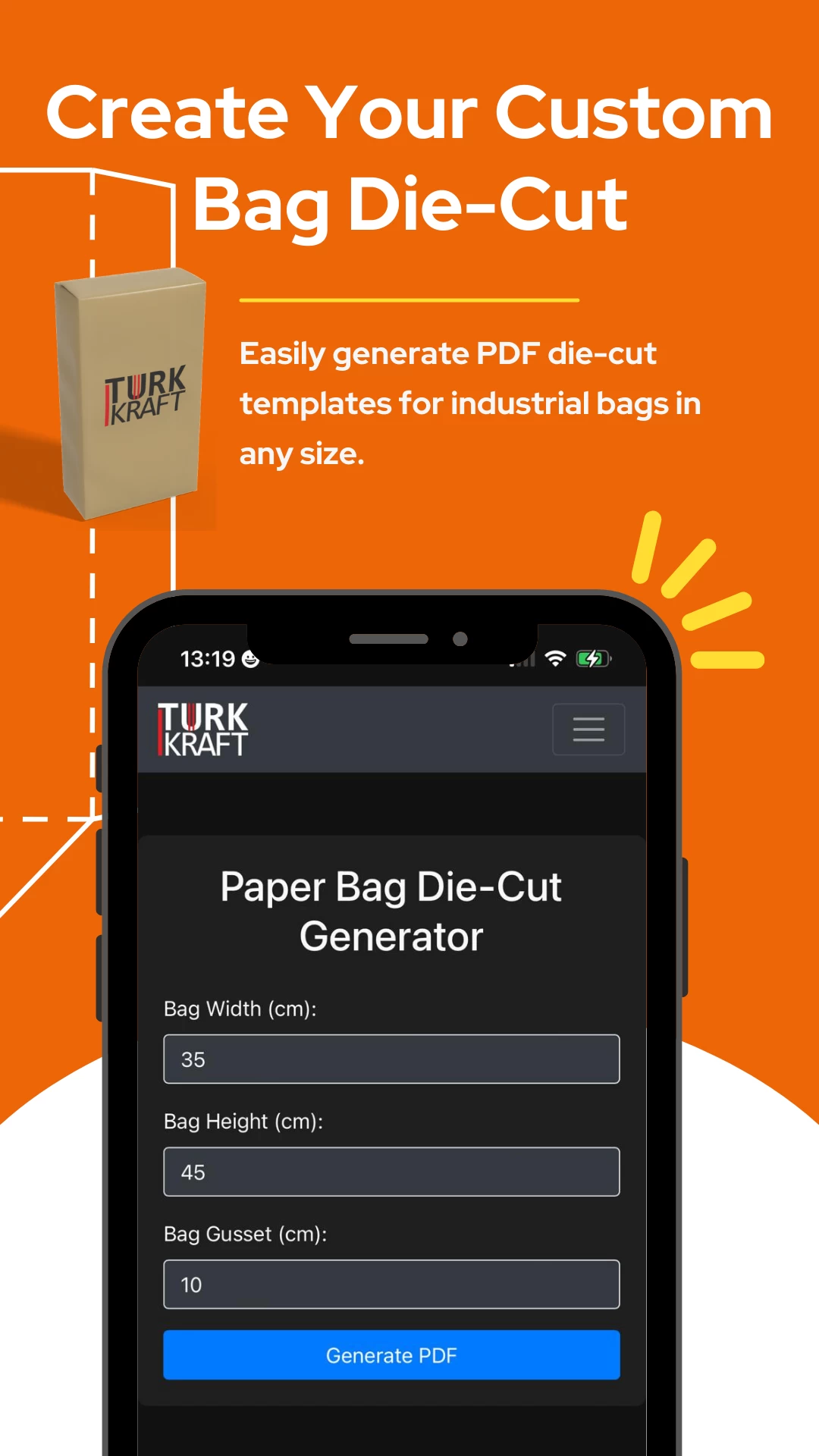
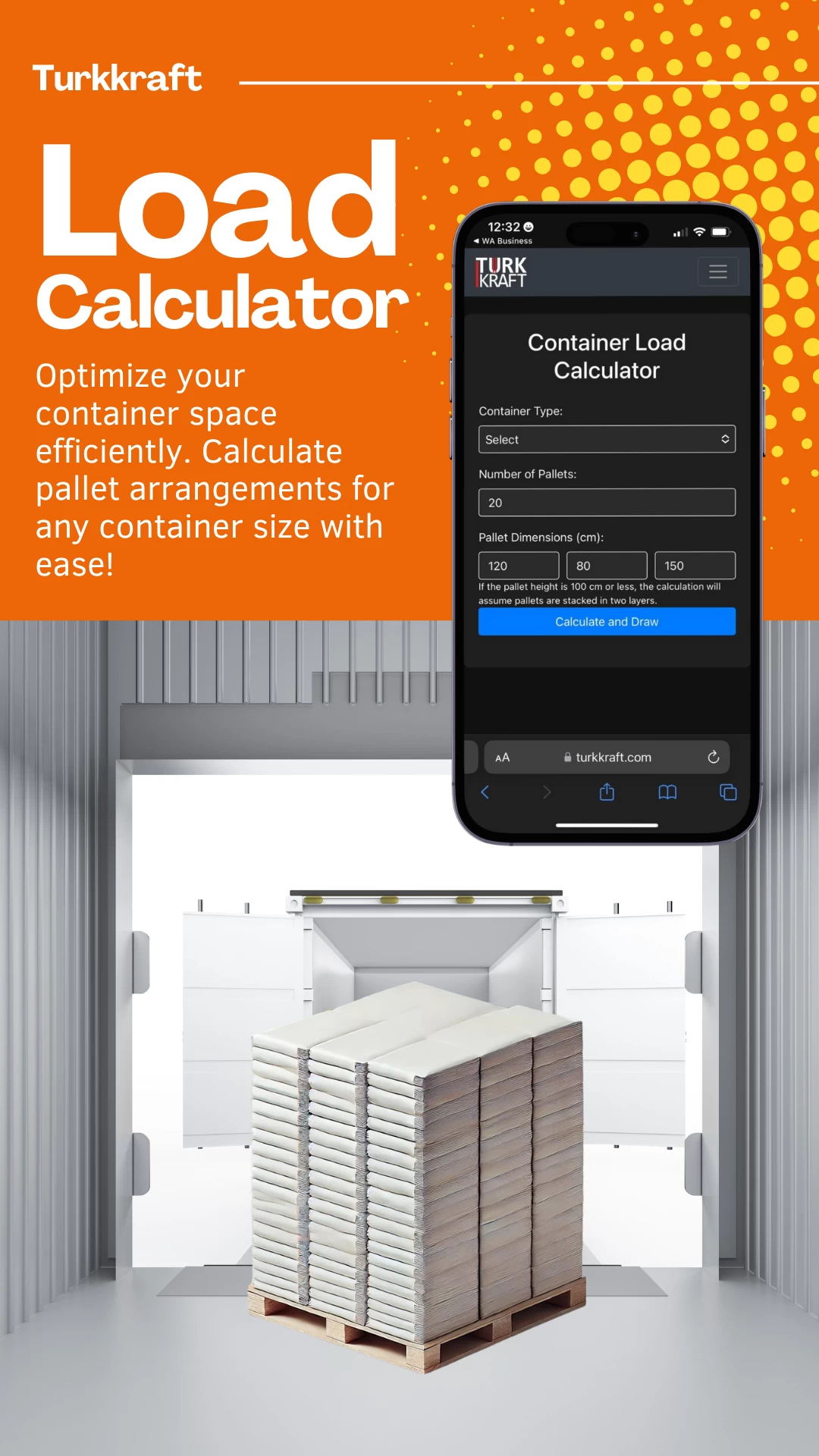


Türkkraft® is a producer of multi-wall industrial paper and PP sacks. It operates with intercontinental production.
